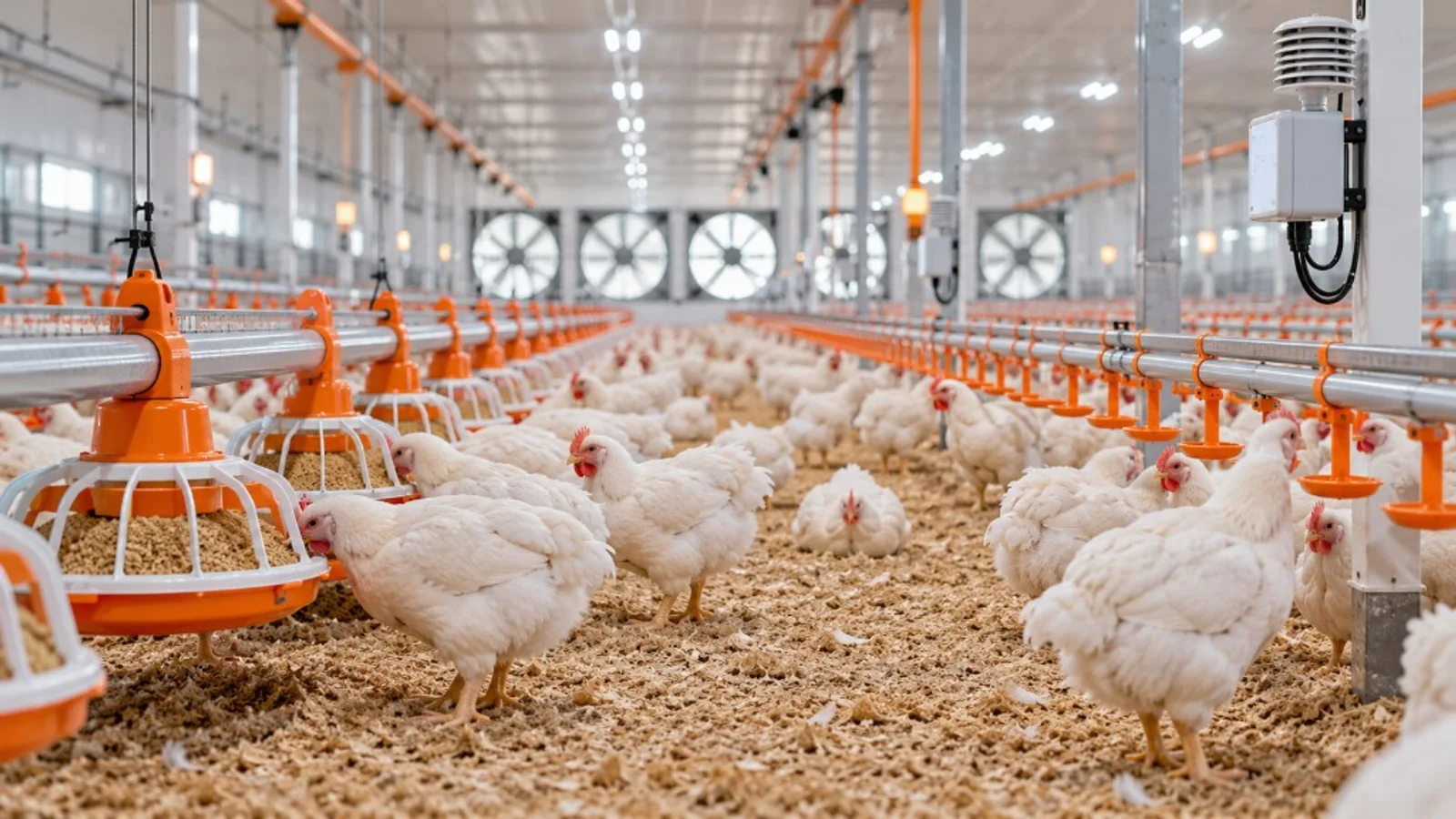
Poultry and agribusiness environments change quickly. Temperature drifts, humidity shifts and equipment issues can escalate before a busy team notices — especially across multiple sheds or sites. Paper logs and delayed walkthroughs still matter for discipline, but they are not always fast enough when conditions move during a shift.
Environmental monitoring paired with connected software gives operators earlier awareness and a clearer path to respond. The goal is not to replace experienced farm judgement. It is to support that judgement with timely, centralized visibility.
Why conditions demand earlier awareness
Livestock environments depend on stable conditions. When readings are checked infrequently, teams may only learn about a problem after animals or production routines have already been stressed. Night shifts, multi-shed layouts and remote locations make the gap worse.
Operators typically care about signals such as:
- Temperature outside expected ranges
- Humidity and related environmental conditions
- Equipment or sensor status that affects climate control
- Trends that suggest a problem is developing, not only a single spike
Earlier awareness does not guarantee a specific production outcome. It does create more time to investigate, adjust and escalate with context. A gradual humidity climb overnight, for example, is easier to address when noticed at 1 a.m. with a clear alert than when discovered during the morning walkthrough after several hours of unfavourable conditions.
What connected monitoring looks like in practice
A practical monitoring setup combines sensing, clear thresholds and operational response.
Condition monitoring tracks the environmental signals that matter for the site. Timely alerts surface meaningful changes so teams are not dependent on the next scheduled walkthrough. Operational response turns those signals into action: check equipment, adjust settings, notify the right role or document what happened.
Connected software matters because readings alone are not enough. Teams need:
- A shared view across sheds or locations
- Alert history that supports accountability
- Less reliance on informal phone updates
- A record that helps improve thresholds over time
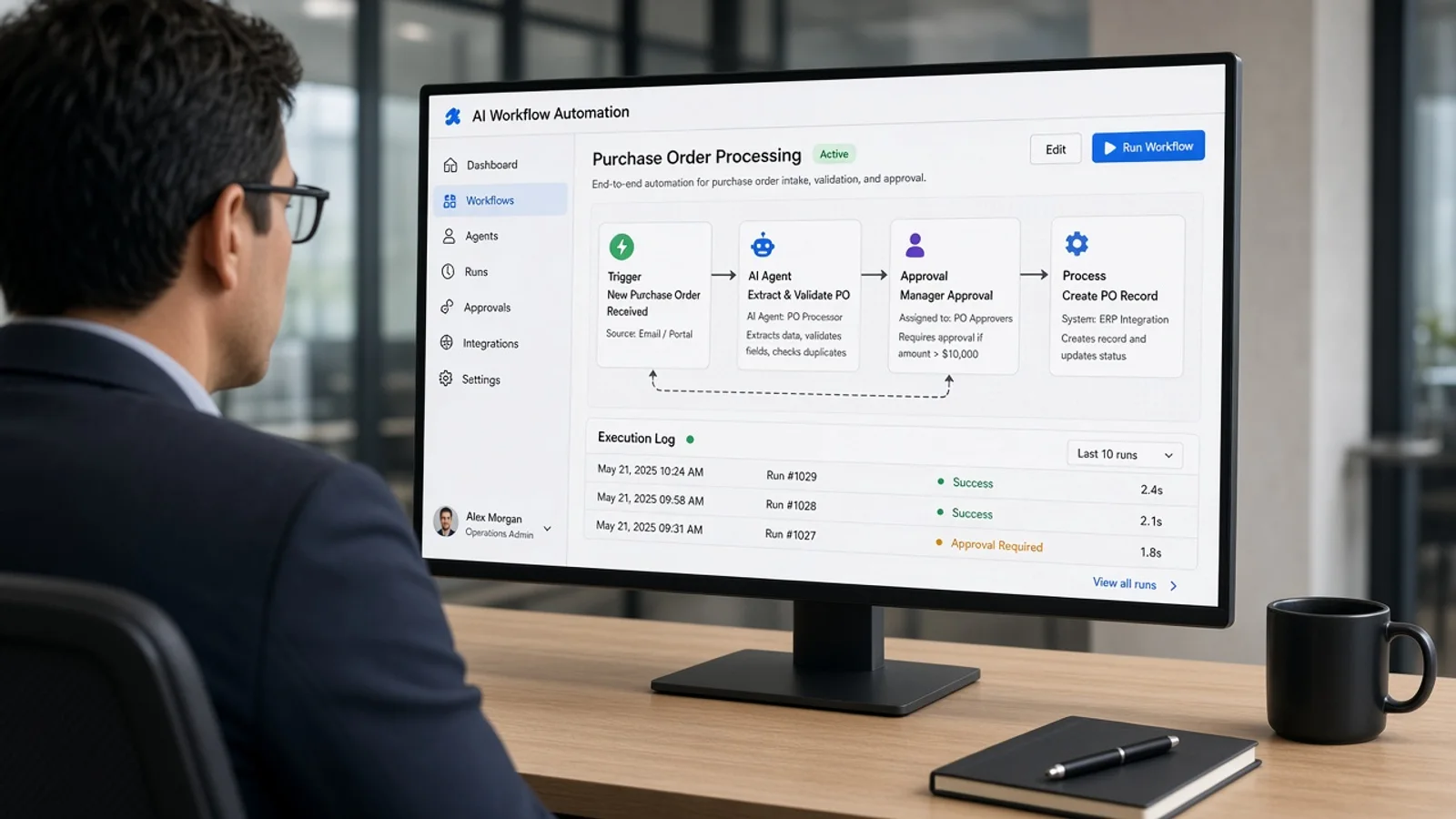
In practice, that might mean a supervisor opening one view to see which sheds are nominal, which have active alerts and which acknowledgements are overdue. Night staff can respond with a defined checklist instead of improvising from memory. Day teams inherit a clearer handover because the night’s events are already recorded.
Digitalsofts positions EnviroAgro-AI around this agribusiness reality — AI-assisted environmental monitoring for poultry and related operations that need timely, confident response. The focus is sensing conditions, understanding signals and responding with clearer operational context.
Centralized visibility across growing operations
As farms expand, informal monitoring habits stop scaling. What worked for one shed becomes fragile across many. Centralized visibility helps supervisors and owners understand status without assembling a patchwork of notebooks and messages.
Useful visibility includes:
- Current conditions by location
- Alert status and acknowledgement
- Trends that support shift handovers
- Clear ownership when a response is required
This does not remove the need for on-site presence. It makes on-site time more targeted. People still walk sheds; they do so with better prior information about where attention is needed. For multi-site operators, central visibility also reduces the delay between a local issue and management awareness — without requiring constant phone chains that interrupt work already in progress.
Faster response without unsupported promises
It is important to keep claims grounded. Environmental monitoring can help teams notice issues earlier and coordinate response more consistently. It should not be marketed with unverified guarantees about yield, mortality or performance percentages.
What responsible teams can aim for:
- Shorter time between condition change and awareness
- Clearer escalation paths
- Fewer surprises discovered only at the end of a shift
- Better continuity when staff change or sites grow
Those are operational improvements. Agricultural outcomes still depend on husbandry, genetics, feed, disease management and many other factors outside any single software system. Monitoring supports good practice; it does not substitute for it.
Building thresholds and response playbooks
Sensors without playbooks become noise. Before expanding coverage, define expected ranges by shed type, season and growth stage where those differ. Decide who receives which alert, what first checks they perform and when to escalate to maintenance or management.
A simple playbook might include:
- Confirm the reading against a secondary check where available
- Inspect ventilation, cooling or heating equipment linked to the zone
- Adjust settings within authorised limits
- Document the action and outcome in the shared system
- Escalate if conditions do not return toward the expected range
AI assistance can help prioritise which signals deserve attention first — for example, distinguishing a brief spike from a sustained drift — when it is grounded in the farm’s own thresholds and history. It should not invent certainty where the data is incomplete. Operators remain responsible for the response.
Review thresholds periodically. Too tight and teams ignore alerts. Too loose and meaningful changes arrive late. Seasonal adjustments and equipment changes are natural moments to revisit the rules.
Rolling out monitoring across sheds
Start with the sheds or zones where delayed awareness has caused the most operational stress. Validate sensor placement, connectivity and alert routing there before cloning the pattern. Train each shift on acknowledgement and documentation, not only on reading a dashboard.
Connectivity and power reliability matter as much as the sensors themselves. A monitoring design that fails silently during network issues can create false confidence. Include status for sensors and gateways in the same operational view so “no alert” is not mistaken for “all clear” when a device is offline.
A business takeaway
Smarter poultry operations start with seeing conditions clearly enough to act. Sensors, alerts and connected software create a foundation for that visibility. AI assistance can help interpret signals and prioritise attention — when it is grounded in real farm workflows rather than abstract dashboards.
If your team still relies primarily on delayed manual checks across multiple environments, map the conditions that matter most and the delays that currently exist between reading and response. That map defines where monitoring will help first.
Digitalsofts can discuss EnviroAgro-AI style monitoring with agribusiness teams — focusing on condition visibility, alerts and operational response designed for poultry and agricultural realities.