Retail runs on timing. A sale happens at the counter in seconds. Inventory, purchasing and reporting have to catch up — or the next customer, the next reorder and the next management review will work from the wrong picture. When point of sale, stock and back-office records stay out of sync, teams lose time reconciling and risk selling what is not actually available.
Connected POS systems address that gap by treating the transaction as the start of a shared operational flow, not an isolated till event.
Where disconnected retail systems create friction
Many stores still operate with partial connection: POS records the sale, stock is adjusted later, and reporting is assembled at the end of the day. That delay creates familiar problems:
- Shelf and system availability diverge
- Promotions and bundles are hard to control consistently
- Multi-store views become spreadsheet projects
- Managers spend evenings reconciling instead of coaching the floor
The issue is rarely effort. It is architecture. Sales, stock and customer transactions need to update the same operational truth. When a cashier sells the last unit while the stock file still shows availability, the next customer interaction is already compromised. When transfers are logged on paper and entered later, central purchasing works from yesterday’s picture. Those mismatches compound quietly until closing becomes a reconciliation exercise.
What “connected POS” means in practice
A connected POS approach links selling activity to inventory and store operations so daily trading stays accurate. In practical terms, that includes:
Sales capture that records what actually left the store. Stock alignment so availability reflects those sales and receipts. Customer transactions that feed reporting without manual re-entry. Store operations that can see exceptions early — voids, shortages, transfers and pending receipts.
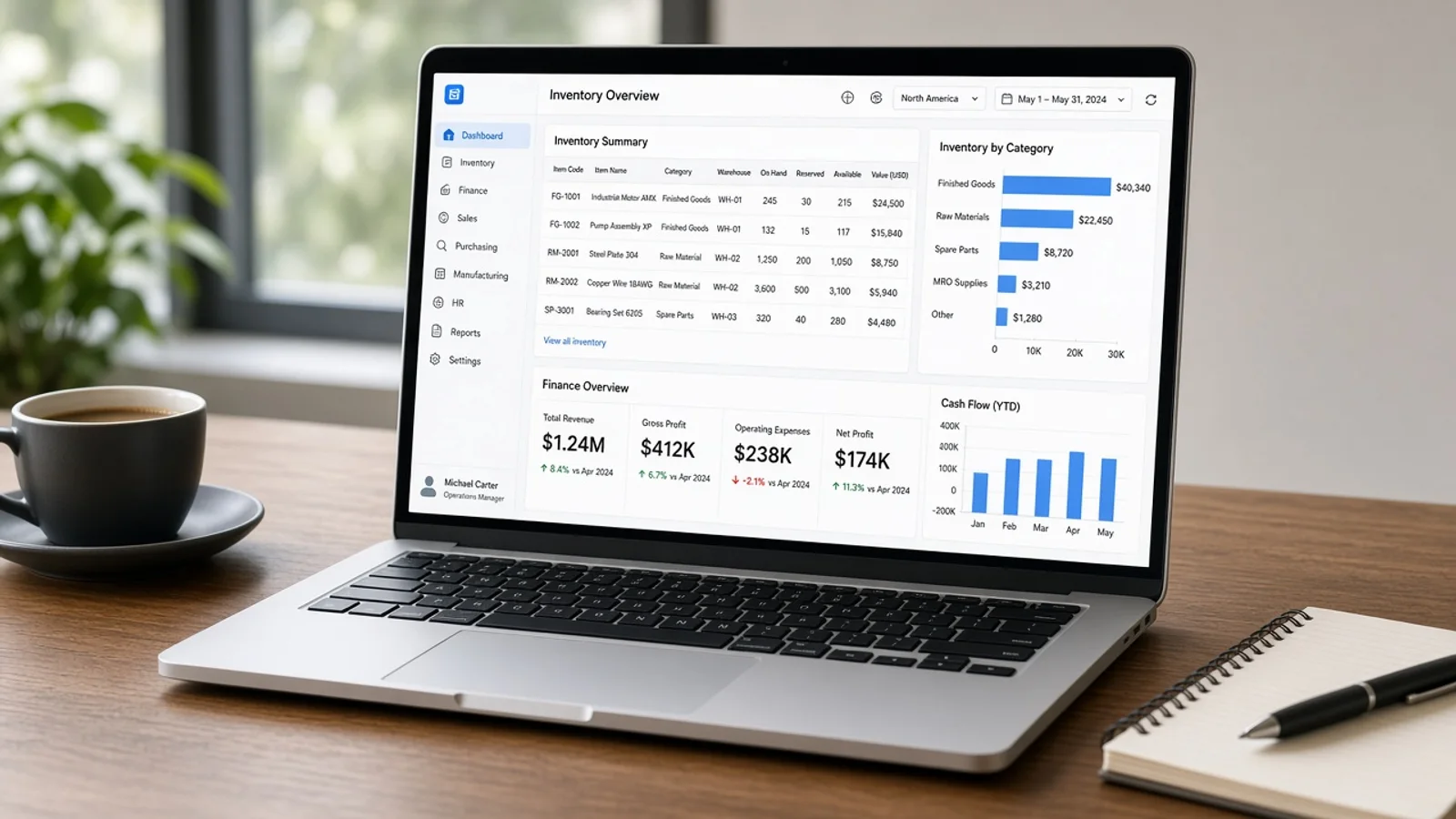
When those pieces connect, staff can sell with more confidence and managers can trust the numbers they review. A receipt that arrives mid-shift updates availability for the floor. A transfer between stores is visible to both locations. A promotion that depends on correct stock levels is less likely to be applied against empty shelves.
Digitalsofts positions Automation & POS around this idea — bringing sales and inventory together so stores reduce the gap between what sells on the floor and what inventory systems believe is available.
Multi-store operations and reporting
Connection becomes more valuable as retailers expand beyond a single counter. Multi-store operations need consistent product data, clearer transfer visibility and reporting that does not depend on each location inventing its own spreadsheet format.
Useful outcomes of connected retail data include:
- Shared visibility of stock across locations
- Faster understanding of what is selling where
- Cleaner handoffs between stores and central purchasing
- Reporting closer to live trading activity
None of this requires claiming automatic revenue lifts. The operational benefit is control: fewer mismatches, clearer decisions and less after-hours reconciliation. Central teams can see which stores are short on a SKU and which have surplus before ordering more. Store managers can review exceptions during the day instead of reconstructing them from till tapes at night.
Implementing without disrupting the floor
Retail technology succeeds when it respects store rhythm. Busy counters cannot absorb complex new steps at peak hours. Practical rollouts usually:
- Map how sales, stock and reporting work today
- Set up POS and inventory rules around real store processes
- Connect the flows that create the most mismatches
- Optimise after teams have lived with the system
Training and ownership matter as much as features. If stock adjustments remain informal, even a modern POS will drift. Connection only holds when store routines reinforce it. Assign clear responsibility for receiving, cycle counts and exception clearance. Keep peak-hour steps short. Put deeper stock work into quieter windows so the counter stays focused on customers.
Pilot one store or one category when possible. Validate that sales update stock as expected, that receipts behave correctly and that reporting matches what managers already know from the floor. Then expand with the same playbook rather than inventing a new process for every location.
Inventory discipline that keeps connection honest
Connected systems do not erase the need for store discipline. They make weak discipline more visible. Cycle counts, receiving checks and careful handling of voids and returns are still required. The difference is that discrepancies surface sooner, when they are easier to investigate.
Build simple habits:
- Receive against expected deliveries and resolve shortfalls the same day
- Treat transfers as first-class stock movements, not informal favours between stores
- Review void and return patterns as operational signals, not only as till noise
- Keep product masters consistent so barcodes and prices mean the same thing everywhere
When those habits are in place, the connected POS becomes a reliable mirror of trading. When they are not, the system will accurately reflect chaos — which is still useful, but not yet under control.
Promotions, peak periods and operational readiness
Retail stress tests connection during promotions and peak trading. Extra volume, temporary SKUs and hurried receiving are exactly when delayed stock updates hurt most. Prepare before those periods: confirm product data, receiving capacity and exception ownership. Use connected reporting to watch sell-through and stock risk during the event, then clean residual mismatches promptly afterward.
The goal is not a perfect day. It is a recoverable day — where the shared system stays close enough to reality that managers can act without rebuilding the truth from scratch.
A business takeaway
Connected POS is less about a prettier till screen and more about keeping sales, stock and reporting aligned as the business trades. Retailers that close that loop reduce operational noise and give managers a clearer daily picture — whether they run one store or many.
If your team still reconciles POS and inventory after closing, start by listing the mismatches that cause the most rework. Those points are where connection pays off first.
Digitalsofts can help retail teams explore connected POS and inventory workflows — focused on accurate trading, stock alignment and practical multi-store visibility.